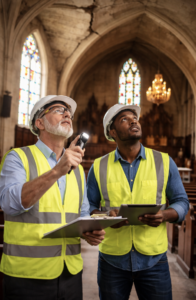
A church building is more than walls, windows, and a roof. It is a place where people gather for worship, prayer, fellowship, counseling, community outreach, weddings, funerals, and weekly rhythms that matter deeply to the life of a congregation. Because of that, any sign of structural trouble should be taken seriously. When cracking, settlement, water intrusion, roof movement, leaning walls, damaged framing, or storm-related concerns begin to show up, a church cannot afford to rely on guesswork. It needs clarity, documentation, and a careful understanding of what is happening and why.
That is where a forensic structural engineer can play an important role. This type of evaluation is not just about identifying visible damage. It is about determining cause, assessing risk, documenting conditions, and helping church leaders make informed decisions about repairs, insurance claims, budgeting, liability concerns, and long-term stewardship. For churches that want to protect their people, preserve their property, and act wisely with major building decisions, this kind of professional insight can be invaluable.
Churches also carry a unique burden compared with many other properties. Some buildings are historic. Some have been expanded multiple times over several decades. Some sit on aging foundations. Some have deferred maintenance because ministry needs came first. Others face sudden issues after hurricanes, heavy rain, shifting soil, vehicle impact, poor renovation work, or hidden deterioration. Leaders who stay informed through sources such as Church News know that church property stewardship is not a small issue. It is an ongoing part of protecting the mission and practical future of a congregation.
Why Churches Face Structural Risks Different From Other Buildings
A church is not always a simple structure. Many sanctuaries include tall walls, long roof spans, steeples, masonry elements, stained glass openings, crawl spaces, older framing systems, additions built in different eras, and gathering areas that experience changing loads over time. Some church campuses also include fellowship halls, offices, schools, daycare areas, gym spaces, or community buildings attached to the main worship structure.
That mix of age, design, and use can create conditions where problems develop slowly and remain unnoticed until they become more serious. A crack in brick or drywall may seem minor at first. A sloping floor may be dismissed as an old-building quirk. A sticking door may be blamed on humidity. Yet these can sometimes point to movement, settlement, framing stress, or moisture-related deterioration that deserves professional investigation.
The broader history of church design also explains why these buildings need careful evaluation. Church structures often reflect architectural traditions, specialized layouts, and construction methods that differ from ordinary commercial buildings, which is one reason references such as Wikipedia’s overview of church architecture remain useful background for understanding how varied these properties can be. When a building carries both practical and spiritual significance, accuracy matters even more.
When a Church May Need This Type of Evaluation
There are many situations where bringing in this kind of engineering review makes sense. One common reason is visible damage. Cracks in masonry, separation around doors and windows, sagging roof lines, uneven floors, bowed walls, ceiling distress, or repeated water intrusion can all signal larger issues beneath the surface.
Another reason is storm damage. High winds, hail, flooding, falling trees, and prolonged moisture can create hidden structural effects that are easy to underestimate. In those moments, church leaders often need more than a contractor opinion. They need an objective technical assessment that explains whether the building has suffered structural damage, what likely caused it, and what should happen next.
Insurance-related concerns also make this kind of review important. A church may need clear documentation to support a claim, respond to a denial, evaluate the scope of damage, or distinguish between long-term deterioration and a sudden event. In a setting where finances matter and stewardship matters just as much, strong documentation can make a major difference.
Churches may also need this kind of help before a major renovation, after a purchase, following nearby construction activity, or when long-standing building symptoms continue without a clear answer. Publications such as Christianity Today have long reflected the reality that churches must think carefully about building safety, property care, and wise administration. That practical side of ministry is not separate from the mission. It supports the mission.
What a Forensic Structural Engineer Actually Brings to the Table
One of the biggest benefits is determining cause. A church may know that something looks wrong, but not know why it is happening. A careful engineering investigation can help separate cosmetic issues from structural ones. It can identify whether the true driver is settlement, expansive soils, moisture intrusion, framing failure, foundation movement, design error, construction defect, overloading, age-related deterioration, or damage tied to a specific event.
That matters because repairs are only effective when they address the real source of the problem. Patching cracks without addressing movement usually leads to more cracking. Replacing finishes without solving water intrusion usually leads to more damage. Reinforcing one area without understanding the load path can leave the deeper issue unresolved.
A sound engineering report can also help a church communicate with confidence. Trustees, pastors, board members, insurers, attorneys, contractors, and donors may all need clear information. Good documentation turns uncertainty into a practical path forward. It gives leadership something concrete to review instead of relying on conflicting opinions.
This is especially helpful when a church is trying to protect both safety and trust. Congregations need to know their leaders are responding responsibly. Outside stakeholders need to know the issue is being handled professionally. In that sense, a forensic review is not only about a building. It is about decision-making, accountability, and peace of mind.
Historic Stewardship and the Value of Preservation
Many churches are not only active ministry spaces but also historic landmarks in their communities. Their materials, layout, craftsmanship, and visual identity may carry decades or even centuries of meaning. When structural concerns affect an older church, decisions should be made carefully because poorly planned work can damage the integrity of the building while still failing to solve the underlying issue.
This is one reason preservation-minded evaluation matters. Church leaders may be balancing safety, budget, aesthetics, ministry continuity, and historical character all at once. A thoughtful engineering investigation can help them understand what must be repaired, what can be preserved, and how to prioritize action without making rushed choices.
That concern for religious heritage continues to appear in reporting from outlets like Vatican News, which regularly covers the importance of preserving church buildings and religious cultural heritage. The point is simple: these structures often carry significance far beyond their physical footprint. Protecting them wisely serves both present ministry and future generations.
Why Clear Documentation Matters for Insurance, Liability, and Planning
Churches often operate with careful budgets and a strong sense of responsibility toward donors and members. When structural issues arise, leadership needs more than a rough opinion. It needs documentation that supports wise action. A thorough report can help establish current conditions, explain likely causes, outline urgency, and support next steps for repair planning or further review.
That kind of documentation is particularly valuable when insurance carriers, legal counsel, lenders, or contractors are involved. If there is disagreement about what caused the damage or how extensive it is, a well-supported technical evaluation can bring needed clarity. It can also help church leaders avoid spending money in the wrong place or moving ahead with incomplete repairs that fail later.
Churches are also public-facing spaces. Members, visitors, children, staff, and volunteers move through them constantly. If a known issue is ignored and later contributes to injury or more severe property loss, the financial and reputational consequences can be significant. Reliable documentation helps leadership act sooner and with greater confidence.
Coverage from Religion News Service and National Catholic Reporter has repeatedly reflected how churches navigate preservation, property challenges, and the financial realities tied to keeping religious buildings sound. That makes documentation more than a technical exercise. It becomes part of responsible stewardship.
Ministry Continuity Depends on Building Confidence
A structural issue does not only affect bricks, steel, or concrete. It can disrupt ministry. Churches may need to close off rooms, cancel gatherings, relocate services, postpone outreach events, delay school functions, or restrict access to key areas of the property. Even when the damage is not catastrophic, uncertainty alone can create hesitation and concern across the congregation.
That is why early evaluation is so valuable. The sooner leaders understand the condition of the building, the sooner they can make calm, informed decisions. Sometimes the result is reassurance. Sometimes it is a targeted repair plan. Sometimes it is a phased strategy that fits the budget. In every case, clarity is better than assumption.
Church communities regularly read outlets such as The Christian Post for developments affecting ministry, leadership, and the broader life of the church. Property stewardship belongs in that same conversation because a safe, stable building supports everything else a congregation is trying to do.
Conclusion
A church may need a forensic structural engineer because ministry depends on more than good intentions. It also depends on safe spaces, sound decisions, and wise stewardship of the property God has entrusted to the congregation. When signs of damage appear, when storms raise concerns, when insurance questions emerge, or when an older structure begins to show its age, guessing is not enough.
A careful engineering investigation can help identify cause, document conditions, guide repairs, support insurance discussions, and protect the long-term value of the church property. It can help leaders move forward with confidence instead of confusion. It can also protect the trust of the congregation by showing that building concerns are being handled with care, seriousness, and professionalism.
For a church, this kind of evaluation is not just about fixing a problem. It is about protecting a place where people gather for some of life’s most meaningful moments. That makes timely, informed action one of the wisest investments a church can make.
Leave a Reply